


All Articles
Showing 1–9 of 35 articles

How to improve the quality of aged care catering
Improving the quality of aged care catering comes down to a handful of levers that work together: menus shaped by residents, a kitchen team with the skills and time to cook well, diet information that is right on every plate, safe food handling, and honest measurement of what residents think and what they leave. Software […]
Read Now
Dietary management software for aged care: what it must handle and how to choose
Dietary management software for aged care has one job above all others: to make sure every resident’s current diet reaches the plate, every meal, whoever is cooking. A good system holds one live dietary profile per resident, checks each order against it, warns the kitchen the moment something changes, and keeps the records your home […]
Read Now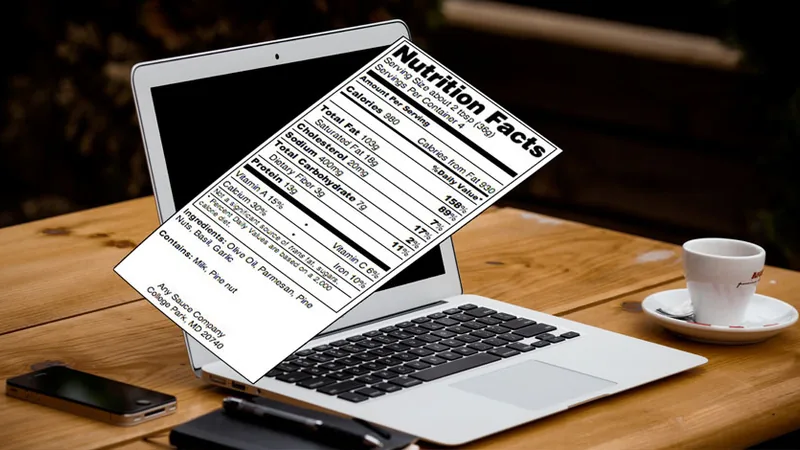
Create Nutritional Facts Panels with Nutrition Label Software
In today’s world of prepared and fast foods readily available it is very important that we ensure the relevant nutritional information is captured…
Read Now
Aged care technology: where it stands and what is driving it
Aged care technology in Australia is being shaped by regulation, government data reform, staffing and the expectations of residents and their families, far more than by robots or virtual reality. Since 1 November 2025, providers have worked under the Aged Care Act 2024 and the strengthened Aged Care Quality Standards, while the Australian Government connects […]
Read Now
Breakfast for elderly residents in aged care: dining room, in-room or breakfast in bed
Good breakfast for elderly residents comes down to three things: enough protein, fibre and fluid to start the day, a time that suits the resident rather than the roster, and a real choice of where to eat. For a care home kitchen, that usually means running more than one service model and making sure a […]
Read NowFridge temperature monitoring in aged care kitchens: what manual logs really cost
Fridge temperature monitoring in an aged care kitchen comes down to one job: proving that chilled food stayed at 5°C or colder, and frozen food stayed frozen, every hour of every day. Food Standards Australia New Zealand (FSANZ) states plainly that refrigerated food needs to be 5°C or colder to keep it safe. Most kitchens […]
Read NowThe benefits of technology in aged care: what providers gain and what to manage
The benefits of technology in aged care, seen from the provider’s side, come down to information. When diets, temperatures, cleaning and handovers are recorded once and shared accurately, teams spend less time chasing paper, auditors see clearer evidence and managers can see every home at once. Those gains come with costs and risks that deserve […]
Read NowInside the aged care kitchen: the daily pressures behind HDS
An aged care kitchen cooks for people whose needs can change between breakfast and lunch. On any shift the team works to individual diets, texture levels and allergies, keeps food safety records and responds to feedback, usually with a lean roster. HDS was founded by Chirag Joshi, who spent more than 16 years in aged […]
Read NowWhat good aged care software providers do beyond the software
Most aged care software providers can show you a tidy demo. The harder question is what happens after the contract is signed: who loads your residents and menus, who trains the casual cook on a Sunday, who answers the phone when a report will not print before lunch service, and whether the system keeps up […]
Read NowFood safety in aged care: why residents are more at risk and what kitchens can do
Food safety in aged care is held to a higher standard than in a café or restaurant for one reason: the people eating are more likely to become seriously ill. Food Standards Australia New Zealand (FSANZ) states plainly that older people have a higher risk of foodborne illness, and the rules reflect it. Every business […]
Read NowUser friendly aged care software: why usability decides whether it works
User friendly aged care software is software your staff can use correctly on a busy shift, without help and without a workaround. That matters more than any feature list, because a system only protects residents when the people on the floor actually use it, every meal and every shift. Most software looks easy in a […]
Read NowWireless temperature monitoring for aged care kitchens: questions to ask before you buy
Before you buy wireless temperature monitoring for an aged care kitchen, ask how the sensors connect, who is alerted when a reading drifts and what happens if nobody answers, whether the readings become signed records your auditor will accept, how corrective actions are followed up, whether the system can be set up from your own […]
Read NowThe temperature danger zone in aged care: do you need a temperature monitoring system?
The temperature danger zone is the range between 5°C and 60°C, where food poisoning bacteria can grow. Food Standards Australia New Zealand (FSANZ) sets the safe temperatures for potentially hazardous food at 5°C or colder, or 60°C or hotter, and every minute outside those limits counts. In an aged care kitchen the stakes are higher […]
Read NowChoosing aged care software: a buyer’s guide for hotel services
Choosing aged care software for the hotel services side of a home comes down to fit. The right system matches how your kitchens, cleaning teams and care staff already work, protects resident information, connects with your clinical system, and comes from a provider who is still there for your team long after go-live. The process […]
Read NowPaperless aged care: why and how to take hotel services off paper
Paperless aged care means the records that run a care home are captured digitally at the point of work and shared live with everyone who needs them, in place of forms, clipboards and binders. Most providers started with clinical notes and medication charts. The diet lists, menu orders, temperature logs, cleaning sheets and maintenance requests […]
Read NowAged care food standards: what Standard 6 asks of your menu
Two sets of aged care food standards shape what a residential kitchen puts on the menu. Standard 6 (Food and nutrition) of the strengthened Aged Care Quality Standards sets out what residents should experience at every meal, and has applied since 1 November 2025. The food safety standards in the Food Standards Code, Standard 3.3.1 […]
Read NowAged care innovation tips for introducing new technology without disrupting care
Aged care innovation works best when it starts small and stays close to the people doing the work. Pick one real problem, test a fix at one home, bring staff and residents in early, and measure whether it helped before you roll it out further. The tips below are for hotel services, catering and quality […]
Read NowNutrition for elderly residents: what changes with age, and what it means for your menu
Good nutrition for elderly people comes down to a mismatch. Most older adults need fewer kilojoules than they did, because they move less, yet their need for protein, calcium and vitamin D stays the same or goes up. As healthdirect puts it, if someone is eating less, their food needs to be more nutritious. In […]
Read NowAnti-inflammatory foods for arthritis: what the evidence says, and how aged care menus can use them
Anti-inflammatory foods for arthritis are mostly familiar ones: oily fish, wholegrains, legumes, olive oil, nuts, and plenty of fruit and vegetables. The honest starting point is that no diet has been shown to cure arthritis, and Arthritis Australia says there is very little proof that specific foods change it. What the evidence does support is […]
Read NowTechnology for elderly residents: 8 ways it is improving life in aged care
Technology for elderly people in residential aged care now reaches most parts of the day, from the sensor beside the bed to the tablet a resident uses to choose lunch. Residents use some of it themselves. The rest sits in the kitchen, the laundry and the office, and residents feel it when a meal arrives […]
Read NowLoss of appetite in elderly residents: how aged care teams encourage eating and drinking
Loss of appetite in elderly people is common, and in a care home it rarely has a single cause. Taste and smell fade, medicines change how food tastes, teeth and dentures make chewing hard, and low mood or a new environment takes away the pleasure of a meal. Thirst fades too, which is why poor […]
Read NowWhich malnutrition screening tool suits aged care? MST, MUST and MNA-SF explained
A malnutrition screening tool is a short, validated set of questions that flags residents who may be at risk of malnutrition, so they can be referred for a full assessment. The three you are most likely to meet in Australian residential aged care are the MNA-SF, MUST and MST. A national survey of 229 homes […]
Read NowBuffet style dining in aged care: the pros and cons, compared with plated and à la carte service
Buffet style dining gives aged care residents something a plated meal cannot: the chance to see the food, choose it on the spot and decide how much to take. It also asks more of the kitchen. Food sits on display for longer, residents need different levels of help to use it, and the chef gives […]
Read NowAged care meals: why they fall short and how providers fix them
When aged care meals disappoint, the cause is rarely one bad cook or one bad day. It is usually a handful of familiar problems working together: a budget set before the menu, too few hands at mealtimes, a stale menu, meals that cool on the way to the room, and feedback that never gets a […]
Read NowFood safety audit in aged care: how to prepare your kitchen
A food safety audit in an aged care kitchen checks three things: that your food safety program is written down, that your team follows it, and that your records prove it. Businesses serving food to aged care residents must have a food safety program under Standard 3.3.1 of the Food Standards Code, and the audit […]
Read NowPaperless food safety in aged care: why kitchens are moving records off paper
Paperless food safety means the temperature logs, receival checks, cleaning sign-offs and corrective actions your kitchen already keeps are captured in software instead of on clipboards. For aged care kitchens the reasons are practical: records are complete and readable, every entry shows who did what and when, problems raise an alert while there is still […]
Read NowCatering software for aged care: choosing it, setting it up and using it well
Most catering software is built for event caterers and restaurants, where the job is quoting, booking, invoicing and getting food to a venue on time. Catering software for aged care has a different job. It has to know what each resident can safely eat and drink, take their meal choices, and turn those choices into […]
Read Now
Dining experience in aged care: 10 basics residents notice
A good dining experience in aged care rests on ten basics: taste, food temperature, texture, presentation, ambience, service quality, service order, meal choice, dietary requirements, and the right equipment and crockery. None of them is difficult in isolation. The hard part is getting all ten right at every meal, for the same residents, all year […]
Read Now
Communication in aged care catering: closing the gaps between kitchen, care and management
Good communication in aged care catering means the right information reaches the right person before the meal is served. A texture change recorded on the ward needs to reach the cook on Sunday night. A resident’s complaint about the soup needs to reach the chef who made it. A decision made at head office needs […]
Read Now
The aged care dining room: layout, light, sound and a sense of belonging
A good aged care dining room is one residents can reach easily, move through safely, see and hear well in, and want to stay in once the meal is over. Most of that comes down to table layout, space, lighting, noise, colour contrast and chairs, and a surprising amount of it can be improved without […]
Read Now
Designing an aged care menu residents look forward to
A good aged care menu starts with the residents, not the recipe folder. It runs on a cycle that changes with the seasons, offers real choice at every meal, includes texture-modified versions of the same dishes, and plans morning tea, afternoon tea and supper as carefully as lunch. Then it is costed, reviewed by an […]
Read Now
How to plan a long table lunch in an aged care home
A long table lunch brings residents, families, staff and volunteers to one shared table for an unhurried meal. To run one well, choose an occasion residents care about, serve shared platters with properly prepared versions for every diet and texture, set the table for walkers and wheelchairs, roster enough hands, and plan the food safety […]
Read Now
The aged care chef: what the role involves and the basics a good one gets right
An aged care chef cooks for the same people every day, often for years, and those residents notice every meal. The job covers menus, special diets, texture-modified food, food safety, work with dietitians and care staff, and leading a kitchen team, but all of it rests on one basic: food that is cooked well and […]
Read Now
Digital transformation in aged care: connecting the systems you already run
Digital transformation in aged care is usually described as buying software. In practice, most providers already own plenty of it: a clinical system, rostering, finance, a maintenance tool, perhaps a separate program in the kitchen. The harder work is making those systems share information, so that something recorded once reaches every team that needs it, […]
Read Now
What is an a la carte menu, and can it work in aged care?
An a la carte menu lists each dish separately, so the diner chooses item by item instead of taking a set meal. The French phrase means “according to the menu”, and its traditional opposite is table d’hôte, where one price covers a fixed set of courses. In residential aged care, à la carte usually means […]
Read NowNo Articles Match Your Search
Try a different keyword, or browse every article on aged care food, safety and dining from the HDS team.