


All Articles
Showing 1–6 of 6 articles
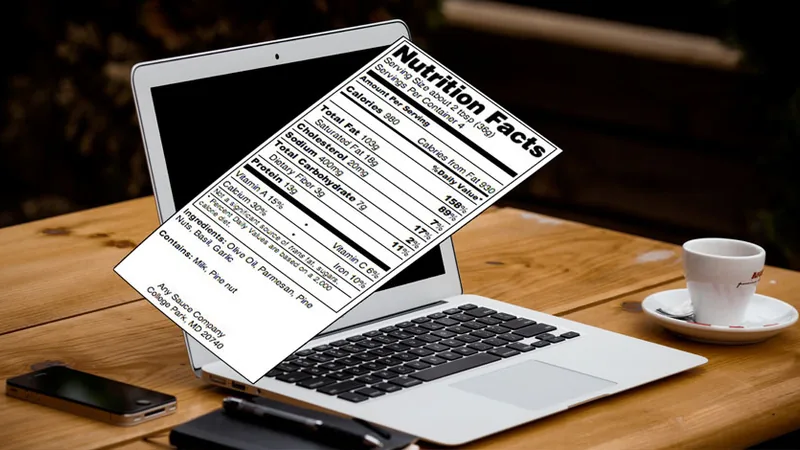
Create Nutritional Facts Panels with Nutrition Label Software
In today’s world of prepared and fast foods readily available it is very important that we ensure the relevant nutritional information is captured…
Read Now
Aged care food standards: what Standard 6 asks of your menu
Two sets of aged care food standards shape what a residential kitchen puts on the menu. Standard 6 (Food and nutrition) of the strengthened Aged Care Quality Standards sets out what residents should experience at every meal, and has applied since 1 November 2025. The food safety standards in the Food Standards Code, Standard 3.3.1 […]
Read NowNutrition for elderly residents: what changes with age, and what it means for your menu
Good nutrition for elderly people comes down to a mismatch. Most older adults need fewer kilojoules than they did, because they move less, yet their need for protein, calcium and vitamin D stays the same or goes up. As healthdirect puts it, if someone is eating less, their food needs to be more nutritious. In […]
Read NowAnti-inflammatory foods for arthritis: what the evidence says, and how aged care menus can use them
Anti-inflammatory foods for arthritis are mostly familiar ones: oily fish, wholegrains, legumes, olive oil, nuts, and plenty of fruit and vegetables. The honest starting point is that no diet has been shown to cure arthritis, and Arthritis Australia says there is very little proof that specific foods change it. What the evidence does support is […]
Read NowLoss of appetite in elderly residents: how aged care teams encourage eating and drinking
Loss of appetite in elderly people is common, and in a care home it rarely has a single cause. Taste and smell fade, medicines change how food tastes, teeth and dentures make chewing hard, and low mood or a new environment takes away the pleasure of a meal. Thirst fades too, which is why poor […]
Read NowWhich malnutrition screening tool suits aged care? MST, MUST and MNA-SF explained
A malnutrition screening tool is a short, validated set of questions that flags residents who may be at risk of malnutrition, so they can be referred for a full assessment. The three you are most likely to meet in Australian residential aged care are the MNA-SF, MUST and MST. A national survey of 229 homes […]
Read NowNo Articles Match Your Search
Try a different keyword, or browse every article on aged care food, safety and dining from the HDS team.