
Fridge temperature monitoring in an aged care kitchen comes down to one job: proving that chilled food stayed at 5°C or colder, and frozen food stayed frozen, every hour of every day. Food Standards Australia New Zealand (FSANZ) states plainly that refrigerated food needs to be 5°C or colder to keep it safe. Most kitchens prove it with a probe and a clipboard, twice a day.
That works until something goes wrong between the two readings. This article covers the ranges to hold, where manual checks leave gaps, and what paper logs actually cost a care home in staff time, lost stock and audit preparation, so you can weigh them fairly against wireless sensors.
Safe ranges for fridges, freezers and cool rooms
The limits are simple. The discipline of holding them across every unit is the hard part.
| Unit | What to hold | Source |
|---|---|---|
| Fridges and cool rooms | Food at 5°C or colder; ACT Health suggests units run between 0°C and 5°C | FSANZ; ACT Health |
| Freezers | Food frozen hard, with the set point your food safety program specifies | ACT Health |
| Thermometer used to check | Accurate to ±1°C | FSANZ |
ACT Health guidance on temperature control asks businesses to monitor cool rooms and refrigerators regularly so they hold food between 0°C and 5°C, to check that frozen food is frozen hard, and to record the date, time and reading of each check. Running a fridge near the bottom of that range gives you some margin when doors open repeatedly during service.
Why the 5°C line matters is covered in our guide to the temperature danger zone in aged care kitchens, which follows food from delivery to the bedside. Here the focus is narrower: the units that hold food before it is cooked or served.
Why cold storage matters more in aged care
FSANZ notes that older people have a higher risk of foodborne illness, which is why businesses serving potentially hazardous food to aged care residents need a food safety program under Standard 3.3.1 of the Food Standards Code. Cold storage records are a routine part of the evidence that program relies on.
Aged care kitchens also tend to hold more in cold storage than a typical restaurant. Batch-cooked meals, texture-modified dishes, thickened drinks, prepared supplements and next-day production all sit in fridges and cool rooms. FSANZ, for example, advises that batch-prepared nutritional supplements be refrigerated and used within 48 hours. One failed unit can therefore affect several days of meals for many residents at once.
What goes wrong between manual checks
A probe reading taken at 7am and another at 3pm tells you the fridge was fine at 7am and 3pm. It cannot tell you about the hours in between, or about the night. Many cold storage problems happen exactly where nobody is looking:
- Doors left ajar after the evening clean, or a seal that has started to fail.
- Overnight compressor or power failures, found the next morning with no record of when the temperature started climbing.
- Overloading. FSANZ points out that refrigerators do not work properly when they are overloaded or when food is packed tightly, which is common after a large delivery.
- Hot food loaded too early, warming everything else on the shelf.
- Weekend and short-staffed shifts, when checks are late, rushed or missed entirely.
Then there is the log itself. A handwritten sheet can be filled in from memory at the end of a shift, copied from yesterday’s numbers, or left blank, and an auditor reading it later cannot tell which. When a reading is out of range, the corrective action is often written in a separate book, or nowhere at all.
The real cost of manual logs
The original case for temperature monitoring was often made with big savings figures. We would rather you work out the cost with your own numbers, because the answer differs widely between a single home and a group of sites. There are three costs to count.
Staff time
Every manual check is a cook or kitchenhand walking to a unit, reading it, writing it down and initialling the sheet. Multiply the number of fridges, freezers and cool rooms by the checks per day, the minutes per check and the days in a year. Then add the supervisor’s time to review and sign the sheets. In a kitchen already stretched on rosters, that time comes directly out of food preparation and resident service.
Stock lost to a failed unit
When a cool room fails overnight and nobody knows when it started, the safe decision is usually to discard what was in it. In aged care that loss is more than the invoice value: it is the time to re-cook, the menu disruption, the emergency order and the risk of a substitute meal that does not suit a resident’s diet or texture level. Think about the last time a unit failed in one of your homes, what was discarded, and how long it took to recover.
Audit preparation
Paper logs have to be found, collected, checked for gaps and filed before an audit or council visit. Across several sites, that can mean chasing folders from each kitchen and explaining missing entries after the fact. The cost is the manager’s time, and the risk is a finding that could have been prevented with a complete record.
What wireless sensors change
Wireless sensors replace the snapshot with a continuous record. The Victorian Department of Health accepts remote monitoring as an alternative to manual temperature checks, provided the system meets set criteria, including:
- reporting temperatures at least twice a day
- raising an alarm when a unit is not holding food within its limits
- documenting corrective actions
- probe accuracy of ±1°C, with validation, annual calibration and a maintenance program
Other states and territories set their own expectations, so confirm with your food safety auditor or local council before you retire paper logs.
Sensors do not remove the need for people. Someone still has to respond to an alert, move the stock, call the technician and record what was done. What changes is that the response starts when the problem starts, not at the next scheduled check. And a probe thermometer remains the right tool for checking food itself, as opposed to the air in a unit.
When manual fridge temperature monitoring is still enough
Not every kitchen needs sensors. A single home with a stable team, a few fridges, well-kept logs and a clean audit history may be well served by paper and a calibrated probe. Wireless monitoring starts to earn its place when you have more units than staff can check meaningfully, units left unattended overnight and on weekends, several sites to oversee, or logs that show gaps and copied readings.
If you are at the point of comparing systems, our list of questions to ask before buying a wireless temperature monitoring system covers alerts, accuracy, support and records in more detail.
How iMonitor Australia monitors fridges and freezers
iMonitor Australia is HDS’s food safety software for aged care kitchens. WiFi sensors log fridge and freezer temperatures around the clock and alert your team when a reading stays outside safe limits for a set time, or when readings are missing or incorrect.
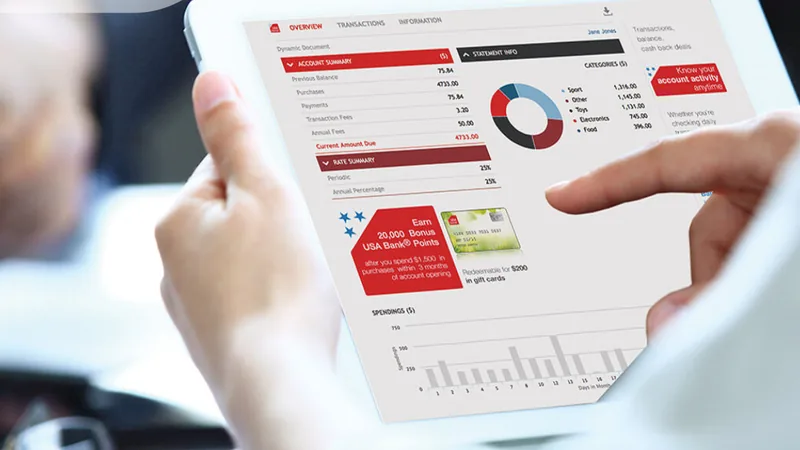
A missing or incorrect record prompts a corrective action, with a follow-up date and a reminder when it falls due. Each staff member signs records under their own login, and a supervisor can review the day’s checks from a tablet or desktop. Records can be saved as PDFs for an audit, and auditors can log in to view the reports they need.
iMonitor Australia is set up from your existing food safety forms, so it supports the food safety program you already run. Our article on preparing for a food safety audit explains how digital records fit into the audit itself.
Common questions
How often should fridge temperatures be checked?
Your food safety program sets the frequency. Victorian guidance describes manual checks as usually done twice a day, and remote systems must report at least that often. Continuous sensors record far more often than that, which is what lets them catch a failure between checks.
Should we check the air or the food?
Both have a place. A sensor reading the air in a unit tells you whether the unit is holding temperature. A calibrated probe in the food tells you whether a specific item is safe, and it remains the check for deliveries and anything you are unsure about.
See iMonitor Australia in your kitchen
If you are weighing up whether continuous fridge temperature monitoring suits your homes, our team can walk you through iMonitor Australia with your own units, forms and sites in mind. You can book a personalised demo, or read more about how HDS supports aged care providers.