
The temperature danger zone is the range between 5°C and 60°C, where food poisoning bacteria can grow. Food Standards Australia New Zealand (FSANZ) sets the safe temperatures for potentially hazardous food at 5°C or colder, or 60°C or hotter, and every minute outside those limits counts.
In an aged care kitchen the stakes are higher than in most. FSANZ notes that older people have a higher risk of foodborne illness, and meals pass through more hands and more corridors before they reach a resident. So the useful question for a catering or hotel services manager is where food actually spends time in the danger zone, and whether your checks are catching it.
What the temperature danger zone means for a commercial kitchen
Bacteria multiply between 5°C and 60°C, and the time food spends in that range is cumulative. FSANZ’s 2-hour/4-hour rule starts the clock as soon as potentially hazardous food leaves refrigeration and keeps it running through preparation, display and transport.
| Total time between 5°C and 60°C | What you can do with the food |
|---|---|
| Less than 2 hours | Use it, or return it to the fridge for later |
| 2 to 4 hours | Use it, but do not return it to the fridge |
| More than 4 hours | Throw it out |
Potentially hazardous foods include meat, poultry, seafood, dairy, cooked rice and pasta, prepared salads and anything made with them. In practice, that is most of a care home menu.
Why aged care is treated differently
Businesses that serve potentially hazardous food to vulnerable people, including aged care residents, must have a food safety program under Standard 3.3.1 of the Food Standards Code. Day-to-day temperature records are a large part of the evidence that program relies on.
How that is licensed and audited depends on where you operate. In New South Wales, for example, aged care facilities are licensed by the NSW Food Authority under its Vulnerable Persons Food Safety Scheme. Other states and territories run their own arrangements, so confirm the detail with your food safety auditor or local council. If you want the broader picture first, our guide to food safety in aged care covers why residents are more vulnerable.
Where food sits in the danger zone in an aged care kitchen
Temperature risk in a care home is spread across the whole day, and much of it sits in the handovers between one step and the next.
Receiving deliveries
FSANZ guidance for receiving food is to check that chilled food arrives at 5°C or colder, hot food at 60°C or hotter, and frozen food frozen hard. A pallet left on the dock while the team finishes breakfast service is time in the danger zone before the food has even been put away.
Cold storage
Fridges, freezers and cool rooms are where most readings are taken, usually once or twice a day. The risk sits in the hours between those readings: a door left ajar after the evening clean, a compressor that fails overnight, or a cool room packed so tightly that air cannot circulate.
Cooling cooked food
Batch cooking is normal in aged care, and cooling is where large volumes linger. FSANZ requires cooked food to cool from 60°C to 21°C within two hours, then to 5°C within a further four hours. A deep pot of soup or a whole roast will not do that on a bench.
Reheating
Food that has been cooked and cooled should be reheated quickly to 60°C or hotter, ideally within two hours, according to the same FSANZ guidance. ACT Health goes further and tells businesses not to use bain maries for reheating.
Hot holding, plating and texture-modified meals
Bain maries and hot boxes need to keep food at 60°C or hotter, and plating for a full dining room takes time. Texture-modified meals add a step, and FSANZ advises discarding refrigerated leftovers of texture-modified meals after one day. Keeping each resident’s diet and texture level accurate is part of the same job, which is what dietary and menu management handles.
Delivery to rooms and dining areas
Tray service to rooms, wings or a second building is the step paper records capture least well. The clock from the 2-hour/4-hour rule is still running while a trolley waits for a lift.
What manual checks can and cannot show you
A probe thermometer reading is a snapshot. FSANZ says a business handling potentially hazardous food must have a thermometer accurate to ±1°C, and a calibrated probe in trained hands remains the right tool for checking a meal.
The limits show up elsewhere. A fridge checked at 7am and 3pm says nothing about 2am. Handwritten logs can be completed late, from memory, or not at all on a short-staffed weekend, and an auditor reviewing them cannot tell the difference. When a reading is out of range, the corrective action often lives in a separate book, or nowhere.
Do you need a temperature monitoring system?
Not every kitchen does. A single home with a stable team, a handful of fridges and well-kept logs may be well served by paper and a good probe. A temperature monitoring system starts to earn its place when one or more of these is true:
- You have more cold storage units than staff can check meaningfully, or units that sit unattended overnight and on weekends.
- You manage several sites and need to see every kitchen’s records without visiting each one.
- Logs show gaps, identical readings or entries filled in after the fact.
- Corrective actions are recorded inconsistently, or not followed up.
- Audit preparation means days of collecting paper from different folders.
The comparison of costs between manual logs and sensors is covered in our guide to fridge temperature monitoring.
How iMonitor Australia handles temperature records
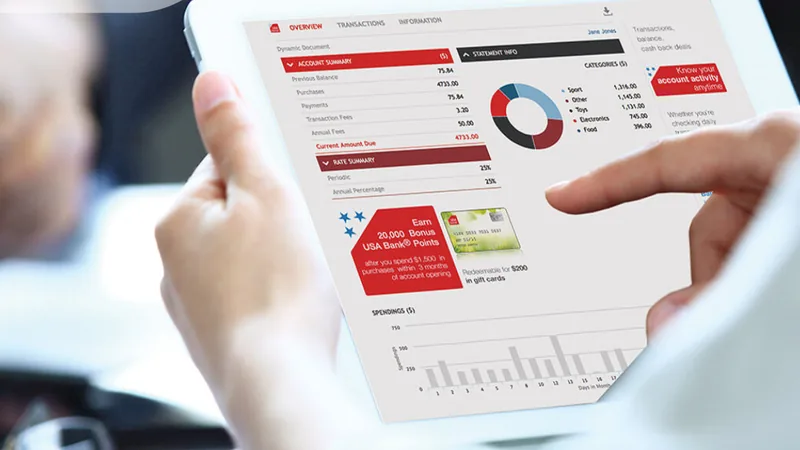
iMonitor Australia is HDS’s food safety software for aged care kitchens. WiFi sensors log fridge and freezer temperatures around the clock and alert your team when a reading stays outside safe limits for a set time, or when readings are missing or incorrect.
For meals, staff insert a Bluetooth probe into the core of the dish, check the reading and press one button, and the temperature goes straight into the form. A missing or incorrect record prompts a corrective action with a follow-up date and a reminder, and each record is signed under the staff member’s own login.
iMonitor Australia is set up from your existing food safety forms, so it supports the food safety program you already run rather than replacing it. Before you retire paper records, check what your auditor or council expects. Our guide to preparing for a food safety audit explains how digital records fit into an audit.
Common questions
Is the temperature danger zone the same in every state?
The 5°C and 60°C limits are the same in FSANZ guidance and in state guidance, including Western Australia, Queensland and the ACT. What differs between states is how aged care food services are licensed and audited, so your auditor or council remains the final word.
What temperature should a cool room or fridge be?
Chilled potentially hazardous food needs to stay at 5°C or colder. ACT Health guidance is that cool rooms and refrigerators should run between 0°C and 5°C, which leaves some margin when doors are opened during service.
See iMonitor Australia in your kitchen
If you are weighing up whether your kitchens need continuous monitoring, our team can walk you through iMonitor Australia with your own fridges, forms and sites in mind. You can book a personalised demo, or read more about how HDS supports aged care providers.