
Aged care technology in Australia is being shaped by regulation, government data reform, staffing and the expectations of residents and their families, far more than by robots or virtual reality. Since 1 November 2025, providers have worked under the Aged Care Act 2024 and the strengthened Aged Care Quality Standards, while the Australian Government connects provider systems to its own and to My Health Record.
For catering, food safety and cleaning teams, those changes reach further than they first appear. The records behind every meal, fridge check and cleaned room are part of how a home shows it is meeting the standards, and they are increasingly visible to the people choosing a home.
What aged care technology means for providers now
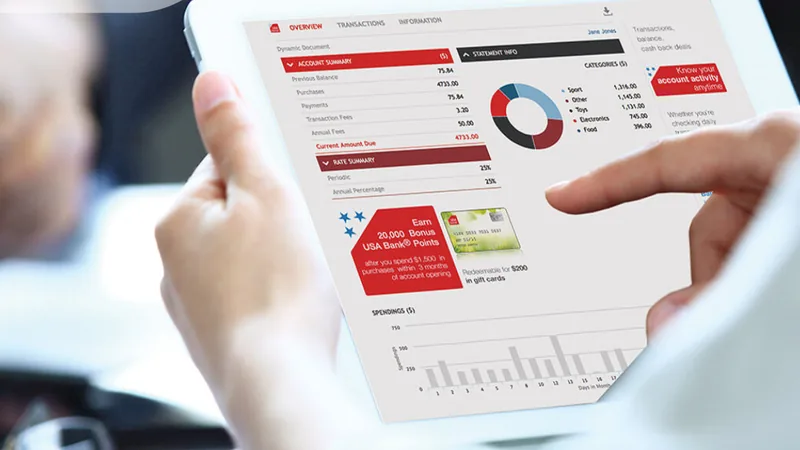
Headline technology still gets attention. The Department of Health, Disability and Ageing lists trials of artificial intelligence and virtual reality among its own digital actions. For most homes, though, the technology that changes a working day is less dramatic: the systems that hold resident information, pass it between teams and keep a record of what was done.
That includes clinical and care management systems, rostering and reporting tools, and the hotel services systems that run the kitchen, monitor food temperatures and schedule cleaning. If you are weighing up newer ideas such as sensors or AI, our article on where aged care innovation is heading covers them in more detail.
Four forces behind the change
The Aged Care Act 2024 and the strengthened standards
Parliament passed the Aged Care Act 2024 on 25 November 2024, and it started on 1 November 2025, replacing the Aged Care Act 1997. The Department describes it as rights-based, putting the rights of older people at the centre of the system, with providers needing to be registered to receive government funding.
The strengthened Quality Standards are part of the new Act and applied from the same date. There are seven, including Standard 4 (The environment) and Standard 6 (Food and nutrition), and the Commission describes them as more detailed and measurable than the standards they replaced. More measurable outcomes mean more need for records that are complete, dated and easy to find when an assessor asks.
Government data and digital reform
The Department’s Aged Care Data and Digital Strategy 2024 to 2029 sets out its plan for “digitising, modernising, automating and better connecting aged care”. The strategy page lists a second-year action plan, published on 4 May 2026, alongside a report on the first year.
The first-year actions show where this is going. They include automating data sharing between providers and government, launching the Government Provider Management System (GPMS), integrating aged care support plans with My Health Record (with consent), making the aged care transfer summary conformant with My Health Record, and developing digital design standards for technology vendors.
Two programs matter most to a provider’s own systems:
- Business to Government (B2G). Through the B2G program, software that passes a conformance assessment by the Australian Digital Health Agency can connect to a government gateway, so reports flow to systems such as GPMS without manual entry. Available connections include quality indicators reporting and 24/7 registered nurse reporting.
- My Health Record. The Australian Digital Health Agency offers one-on-one support for residential aged care homes to connect to My Health Record. Software that supports the Residential Care Transfer Summary can upload a resident’s transfer reason, health summary and medication chart when they move to hospital.
The practical step for a provider is to ask each vendor where its product sits against these programs. For a wider view of moving an organisation from paper to digital systems, see our guide to digital transformation in aged care.
Workforce pressure
Every residential home must deliver a set amount of direct care. The Department’s care minutes guidance bases the requirement on a sector-wide average of 215 minutes per resident per day, including 44 minutes from a registered nurse, and a registered nurse must be on site and on duty at all times. Care minutes count care from registered nurses, enrolled nurses, personal care workers and assistants in nursing, and from 1 April 2026 some funding for non-specialised metropolitan homes is linked to delivering them.
That puts a value on every minute those staff spend on administration. Anyone who has run an aged care kitchen knows the phone call from a wing asking whether the kitchen has seen a texture change, or the carer walking down to check a resident’s order. Technology that removes the double handling between care and catering gives some of that time back to residents.
Resident and family expectations
The new Act centres the rights of older people, and Standard 6 turns that into specifics for food. Under Outcome 6.3, residents can choose what, when, where and how they eat and drink at each meal, and the Commission notes that their needs and preferences can change daily.
Food is also public now. The Department publishes food and nutrition information on the My Aged Care Find a provider tool, including how and where a home prepares food, what it spends, and whether residents like the food. That last measure comes from the Residents’ Experience Survey, which asks at least 20% of residents (or their representatives) each year, “Do you like the food here?”.
Where hotel services fit in aged care technology
Catering, food safety and cleaning are often the last parts of a home to move off paper, yet the standards are specific about them. Outcome 6.3 expects meals to be served at the correct temperature, prepared and served safely, and to meet each resident’s assessed needs. Under Outcome 4.1b, the service environment must be routinely cleaned and well maintained.
Paper struggles with each of these. A diet list printed at 6am can be out of date by lunch. A fridge log filled in at the end of a shift shows what someone wrote down, which may not be what the fridge did overnight. A ticked cleaning sheet records that a room was signed off, without showing when or by whom.
Catering and dietary information
The kitchen needs each resident’s current diet, IDDSI texture level, allergens and choices at the moment a meal is plated. With dietary and menu management in HDS, a diet change updates kitchen reports and lists straight away. Where HDS is connected through clinical integrations, a change recorded by care staff in the clinical system can flow through to the kitchen without anyone typing it twice.
Food safety
iMonitor Australia uses WiFi sensors to monitor fridges and freezers 24/7 and alert staff to temperature problems, with a Bluetooth probe for meal temperatures and digitally signed records in place of paper logs.
Cleaning and housekeeping
HCSPRO gives staff their allocated duties and digital sign-off, takes maintenance requests, and shows supervisors live progress across every task and schedule.
Questions to ask before adding hotel services technology
- Does it connect with your clinical system, so care and catering work from the same resident information?
- How is resident data protected? HDS holds an information security management system certified to ISO/IEC 27001; ask any supplier the same question.
- Could your team produce the record an assessor asks for, for any date, in a few minutes?
- Will staff actually use it on a busy shift, on the devices they already carry?
- Who sets it up, trains staff and answers the phone after go-live?
Our guide to choosing aged care software works through these questions in more depth.
Common questions
Do the strengthened standards require providers to use particular technology?
The standards describe outcomes a provider must meet, such as safe meals at the correct temperature and a routinely cleaned environment. Technology is one way to meet those outcomes and keep evidence that you have, and how you do it remains each provider’s decision.
Does My Health Record replace a home’s own care and catering systems?
No. My Health Record is a secure online summary of key health information, which authorised healthcare teams in a home can view and add to. A home still runs its own clinical, catering and cleaning systems day to day, and conformant software can share selected information, such as the transfer summary, with My Health Record.
This article is general information for aged care providers about technology and regulation. It is not legal or compliance advice, so please confirm your obligations with the Aged Care Quality and Safety Commission or a qualified adviser.
See how HDS supports hotel services
HDS, iMonitor Australia and HCSPRO form a One Stop Shop for dietary and menu management, food safety, and cleaning and housekeeping in Australian aged care. You can explore the solutions or book a personalised demo to see how they would work across your homes.